Comprehensive Guide to Demolition Waste Removal in Camden Town
Understanding Demolition Waste

Demolition waste is a significant concern in urban areas like Camden Town. It includes materials such as concrete, wood, metals, and asbestos that are generated during the demolition or renovation of buildings. Proper management and removal of this waste are crucial for environmental sustainability and public safety.
The accumulation of demolition waste can lead to various environmental issues, including soil contamination and air pollution. Moreover, improper disposal can pose serious health risks to the local community. Therefore, efficient waste removal strategies are essential to mitigate these adverse effects.
In Camden Town, the growing number of construction and demolition projects has heightened the need for effective waste management solutions. Understanding the types of demolition waste and the best practices for their removal is the first step towards a cleaner and safer environment.
Types of Demolition Waste

Demolition waste encompasses a wide range of materials, each requiring specific handling and disposal methods. The primary types include:
- Concrete and Masonry: These materials are heavy and require specialized equipment for removal and recycling.
- Wood: Untreated wood can often be recycled or repurposed, while treated wood may require special disposal methods.
- Metals: Metals like steel and aluminum are highly recyclable and should be separated from other waste.
- Asbestos-Containing Materials: These materials are hazardous and demand careful removal and disposal by certified professionals.
- Plastics and Glass: These are also recyclable but need to be sorted appropriately to ensure effective recycling processes.
Regulations and Compliance
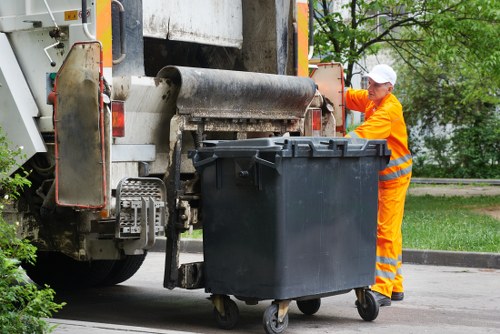
Camden Town, like the rest of London, is subject to strict regulations regarding demolition waste removal. Compliance with these laws is not only a legal obligation but also a responsibility towards the community and the environment.
The Waste Management Licensing Regulations 1994 require that all demolition waste is managed by authorized waste carriers. Additionally, the Control of Asbestos Regulations 2012 mandates specific procedures for handling asbestos-containing materials.
Failure to comply with these regulations can result in hefty fines and legal repercussions. Therefore, partnering with a licensed demolition waste removal service in Camden Town ensures that all legal requirements are met efficiently and professionally.
Benefits of Professional Waste Removal Services
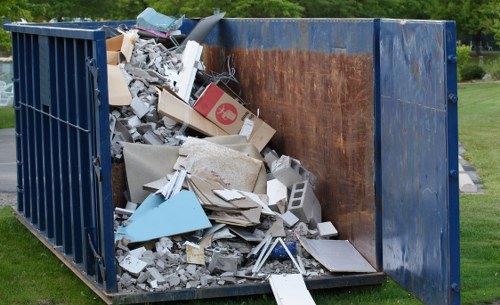
Engaging professional demolition waste removal services in Camden Town offers numerous advantages:
- Efficiency: Professionals have the expertise and equipment to handle waste removal swiftly and safely.
- Environmental Responsibility: They ensure proper recycling and disposal, minimizing environmental impact.
- Cost-Effectiveness: Efficient waste removal can reduce overall project costs by preventing delays and avoiding fines.
- Safety: Proper handling of hazardous materials like asbestos protects workers and the public from potential harm.
Choosing a reputable service provider guarantees that all aspects of waste removal are managed with precision and care.
Recycling and Sustainable Practices

Recycling demolition waste is a pivotal component of sustainable construction practices in Camden Town. Recycling not only conserves natural resources but also reduces the carbon footprint associated with waste disposal.
Materials such as metals, concrete, and wood can be processed and reused in new construction projects. Implementing recycling strategies helps in achieving a circular economy where waste is minimized, and resources are efficiently utilized.
Moreover, sustainable waste management practices contribute to Camden Town's green initiatives, aligning with broader environmental goals and enhancing the area's reputation as an eco-friendly destination.
Choosing the Right Service Provider
Key Factors to Consider
Selecting the appropriate demolition waste removal service in Camden Town involves evaluating several critical factors:
- Licensing and Certification: Ensure the provider is licensed and certified to handle various types of demolition waste.
- Experience: An experienced company is more likely to deliver efficient and compliant services.
- Range of Services: Comprehensive services, including sorting, recycling, and disposal, offer greater convenience.
- Customer Reviews: Positive feedback and testimonials indicate reliability and quality of service.
- Pricing: Transparent and competitive pricing ensures value for money without compromising on service quality.
Questions to Ask Potential Providers
Before finalizing a service provider, consider asking the following questions:
- What types of demolition waste do you handle?
- Are your services compliant with local regulations?
- Can you provide references or case studies?
- What is your recycling rate for demolition materials?
- How do you ensure the safety of your operations?
The Demolition Waste Removal Process
The process of demolition waste removal involves several steps to ensure efficiency and compliance:
- Assessment: Evaluating the types and quantities of waste generated from the demolition site.
- Sorting: Separating recyclable materials from non-recyclable ones.
- Collection: Transporting the sorted waste to recycling facilities or disposal sites.
- Recycling: Processing recyclable materials for reuse in new construction projects.
- Disposal: Properly disposing of non-recyclable and hazardous waste in designated facilities.
Each step is meticulously planned and executed to minimize environmental impact and ensure compliance with all relevant regulations.
By following a structured waste removal process, demolition projects in Camden Town can achieve their sustainability goals while maintaining operational efficiency.
Cost Factors in Demolition Waste Removal
Understanding the cost factors involved in demolition waste removal is essential for budgeting and project planning:
- Volume of Waste: The amount of waste generated directly influences the cost. Larger projects typically incur higher removal fees.
- Type of Materials: Hazardous materials like asbestos require specialized handling, increasing the overall cost.
- Location: Proximity to disposal and recycling facilities can affect transportation costs.
- Service Level: Comprehensive services, including sorting and recycling, may cost more but offer higher value.
- Timing: Urgent removal requests can lead to additional fees due to expedited services.
Accurate assessment and planning can help manage costs effectively without compromising on service quality.
Environmental Impact and Mitigation
Demolition waste has a substantial environmental footprint, but effective removal and recycling can significantly mitigate its impact:
- Reducing Landfill Use: Recycling materials decreases the amount of waste sent to landfills, preserving land resources.
- Lowering Emissions: Proper waste management reduces greenhouse gas emissions associated with decomposition in landfills.
- Conserving Resources: Recycling materials like metals and concrete reduces the need for raw material extraction.
- Protecting Biodiversity: Proper disposal prevents pollution that can harm local wildlife and ecosystems.
Implementing these mitigation strategies supports Camden Town's commitment to environmental stewardship and sustainability.
Innovations in Waste Removal Technology
Advancements in technology are revolutionizing demolition waste removal, making it more efficient and environmentally friendly:
- Automated Sorting Systems: These systems enhance the accuracy and speed of separating recyclable materials from waste.
- Recycling Machinery: Modern machinery can process various materials more effectively, increasing recycling rates.
- Digital Tracking: Tracking systems ensure transparency and compliance throughout the waste removal process.
- Eco-friendly Disposal Methods: Innovative disposal techniques minimize environmental impact and promote sustainability.
Adopting these technologies enables demolition waste removal services in Camden Town to deliver superior results while adhering to environmental standards.
Challenges in Demolition Waste Removal
Despite advancements, several challenges persist in managing demolition waste in Camden Town:
- Limited Recycling Facilities: The availability of facilities capable of processing specific materials can restrict recycling efforts.
- Regulatory Changes: Keeping up with evolving regulations requires constant adaptation and oversight.
- High Disposal Costs: The financial burden of disposing of large volumes of waste can be significant.
- Public Awareness: Increasing community awareness about the importance of proper waste management is essential.
- Logistical Issues: Coordinating transportation and handling of diverse waste types can be complex.
Addressing these challenges involves collaborative efforts between service providers, regulators, and the community to enhance waste management practices.
Future Trends in Demolition Waste Removal
The future of demolition waste removal in Camden Town is poised for significant transformations driven by sustainability and technological advancements:
- Increased Recycling Rates: Stricter regulations and improved technologies are expected to boost recycling efforts.
- Circular Economy Models: Emphasizing reuse and recycling to create a closed-loop system for materials.
- Smart Waste Management: Integration of IoT and AI to optimize waste removal processes.
- Green Certifications: More companies are likely to pursue certifications demonstrating their commitment to sustainable practices.
- Community Engagement: Enhanced involvement of the local community in waste management initiatives.
These trends will contribute to more efficient, environmentally friendly, and economically viable demolition waste removal practices in Camden Town.
Embrace sustainable demolition waste removal today. Contact us today to ensure your project aligns with environmental standards and community well-being.