Rethink Rubbish: Inspiring Projects To Turn Garbage Into Gold
Rubbish. Trash. Junk. Waste. While most of us see these as problems in our modern world, a new wave of visionaries and communities see something very different--a treasure trove of opportunity. As landfills overflow and our planet strains under the weight of consumer waste, more individuals, businesses, and artists are reimagining rubbish not as refuse, but as a valuable resource. Around the globe, innovative projects are breathing new life into old items, turning garbage into gold. In this article, you'll discover how trash is being transformed through creative, sustainable projects and learn how you can rethink rubbish in your own life.
Why Rethink Rubbish? The Growing Waste Crisis
Globally, humans generate over 2 billion tons of solid waste each year--a number expected to rise rapidly as urban areas expand. Poor waste management doesn't just squander resources; it contributes to pollution, greenhouse gas emissions, and health risks for communities near dumping sites. This unsustainable cycle demands a fresh perspective on how we deal with rubbish. By reimagining trash as a resource, we can promote sustainability, foster creativity, support communities, and even bolster local economies.
The Circular Economy: Where Rubbish Becomes Resource
The circular economy is a model that aims to keep resources in use for as long as possible by reusing, repairing, refurbishing, and recycling existing materials. Rather than a linear "take-make-dispose" system, circularity turns trash into treasure and garbage into gold. Many inspiring rubbish upcycling projects are rooted in this philosophy.
Creative Projects: Turning Trash Into Treasure
Across continents, inspiring projects are emerging that rethink waste in exciting ways:
1. Community 'Precious Plastic' Workshops
Precious Plastic is a global movement that empowers communities to turn plastic rubbish into valuable new products. Founded by Dutch designer Dave Hakkens, it provides open-source blueprints for small-scale recycling machines and tutorials on making everything from phone cases to furniture from melted plastic. Over 1000 workshops worldwide now use this model to turn local plastic waste into useful--and beautiful--objects.
- Impact: Empowers individuals with recycling technology
- Community-building: Brings neighbors together to solve pollution
- Inspires entrepreneurship: Upcycled goods can be sold, creating income
2. Art Installations From Recycled Rubbish
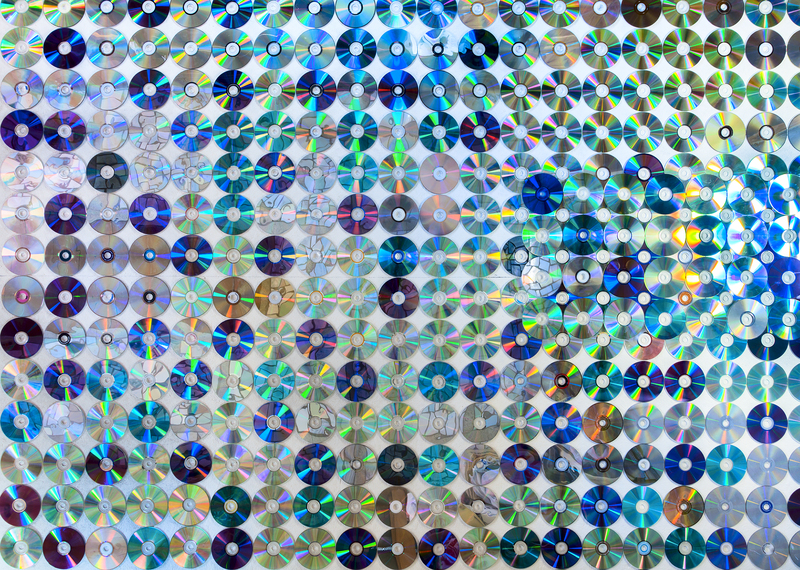
The art world has long known the value of discarded materials. Contemporary artists like Vik Muniz and Bordalo II craft large-scale installations and stunning portraits from garbage--transforming rubbish into thought-provoking masterpieces. These works do more than decorate; they spark conversations about consumption, waste, and beauty in the unexpected.
- Message-driven: Highlights issues of overconsumption
- Education: Many recyclables used are gathered from the streets and beaches, doubling as clean-up
3. Zero Waste Fashion: Upcycled Clothing Brands
The fashion industry is notorious for contributing mountains of textile waste, but a number of designers are changing the script by upcycling unwanted clothes into stylish, one-of-a-kind garments. Brands like Re/Done, Patagonia, and Tonle champion circular fashion by designing entirely from discarded textiles, old denim, or factory scraps. Each piece rescues rubbish destined for landfill and turns it into wearable art.
- Reduces landfill: Keeps clothing and textiles in use longer
- Unique style: No two upcycled pieces are exactly alike
- Supports circular economy: Encourages more responsible consumption
4. Upcycled Furniture & Home Decor
Why buy new when you can turn old wood, pallets, and battered furniture into stunning decor? Companies like Funky Junk Recycled and international designers are reimagining rubbish--from industrial scrap metal to broken glass--into lamps, tables, and art for the home. Even ordinary households are getting crafty, learning woodworking and restoration to breathe new life into "junk."
- DIY movement: Encourages creativity and repair skills
- Saves money: Upcycling is often cheaper than buying new
- Personal touch: Unique, story-filled pieces for any living space
5. Ecobricks: Bottling Up the Problem
Plastic pollution is a particular challenge in developing regions. Enter the ecobrick movement: clean, dry plastic waste is packed tightly into PET bottles to make sturdy building blocks for furniture, garden beds, and even homes. Countries like the Philippines, Indonesia, and South Africa have embraced ecobricks, using them to build community spaces while reducing trash on the streets.
- Practical solution: Transforms rubbish into useful building material
- Environmental education: Spreads awareness and responsibility
- Resource for schools: Ecobricks are used for benches, walls, and playgrounds
6. Electronic Waste Upcycling
As our reliance on technology grows, so too does the mountain of e-waste. Visionary projects are now salvaging components from discarded computers, phones, and appliances to create new gadgets, jewelry, and even musical instruments. Organizations such as Restart Project in the UK host repair parties, while tech artists repurpose circuit boards and wires into intricate art or functional tech objects.
- Reduces hazardous waste: Keeps toxic materials out of landfills
- Teaches tech skills: Community upskilling through hands-on workshops
- Fosters innovation: Sparks new ideas for sustainable technology
Community-Led Rubbish Revolution
Beyond individual projects, entire communities and cities are rethinking rubbish collection, recycling, and reuse at scale:
1. Zero Waste Towns
Towns like Kamikatsu, Japan are renowned for their ambitious zero waste goals--residents meticulously sort refuse into dozens of categories, and nearly everything is reused, repurposed, or recycled. Their philosophy? Garbage is not the end, but the beginning of a new cycle.
- Comprehensive recycling: Extremely high waste diversion rates
- Shared responsibility: Engages the entire community in the process
2. Developing World Solutions
In resource-constrained regions, upcycling rubbish is not just an environmental choice, but a matter of survival. In cities across Africa, Latin America, and Asia, informal waste pickers have organized into cooperatives, diverting millions of tons of garbage each year and turning trash into gold--both figuratively and literally.
- Job creation: Provides income and dignity for marginalized workers
- Urban cleanliness: Reduces health and sanitation risks
- Resource efficiency: Recovers valuable materials from waste streams
The Role of Technology in Rubbish Innovation
From AI-powered recycling sorters to apps that connect households with upcyclers, technology is rapidly accelerating rubbish rethinking worldwide. Machine learning now enables better material separation in recycling facilities. Platforms like Olio, Freecycle, and Too Good To Go match unwanted items and food with people who need them, minimizing waste while maximizing value.
- Smart bins: Alert when full, optimizing collection routes
- Material tracking: Blockchain for trash provenance and recycling verification
- Online upcycling markets: Expand the reach of eco-warriors and craftspeople
How You Can Rethink Rubbish At Home
Turning garbage into gold isn't just for artists or large organizations--you can make a difference in your own household! Here are simple, practical ways to start:
1. Get Creative with Household Waste
- Upcycle glass jars as vases, storage, or candle holders
- Transform old t-shirts into cleaning rags or tote bags
- Turn cardboard boxes into kids' crafts or desk organizers
2. Compost Your Food Waste
If you want to turn kitchen rubbish into garden gold, composting is one of the best solutions. Composting food scraps creates nutrient-rich soil, reduces methane emissions, and closes the loop on food waste.
3. Practice Responsible Recycling
Learn what your municipality will--or won't--accept at recycling centers. Clean, sorted recyclables are far more likely to be reused or repurposed than contaminated bins.
4. Support Upcycled Brands and Local Makers
Choose products that incorporate recycled materials or are designed with a circular life cycle in mind. Your purchasing power supports a future where rubbish is seen as a resource, not a nuisance.
5. Host a Swap or Repair Event
Give your unwanted items a new life by swapping with friends, or organize repair meet-ups to fix what's broken. Every item rescued from the rubbish bin extends resources and prevents unnecessary waste.
The Environmental and Social Benefits of Upcycling Rubbish
When we rethink rubbish, the impacts go far beyond cleaner streets. Here are some of the transformative benefits of turning garbage into gold:
- Reduces landfill use: Upcycling diverts waste from overcrowded dumps, lowering environmental contamination
- Conserves natural resources: Less need for virgin materials when we repurpose what we already have
- Decreases greenhouse gases: Lower emissions from landfill methane and reduced manufacturing
- Boosts community engagement: Shared upcycling projects foster social bonds and pride
- Sparks innovation: New challenges drive inventive solutions and artistic expression
- Creates jobs and local economies: Collectors, repairers, and artisans all benefit from the "circular gold rush"
Overcoming Challenges: Making Rubbish Transformation Mainstream
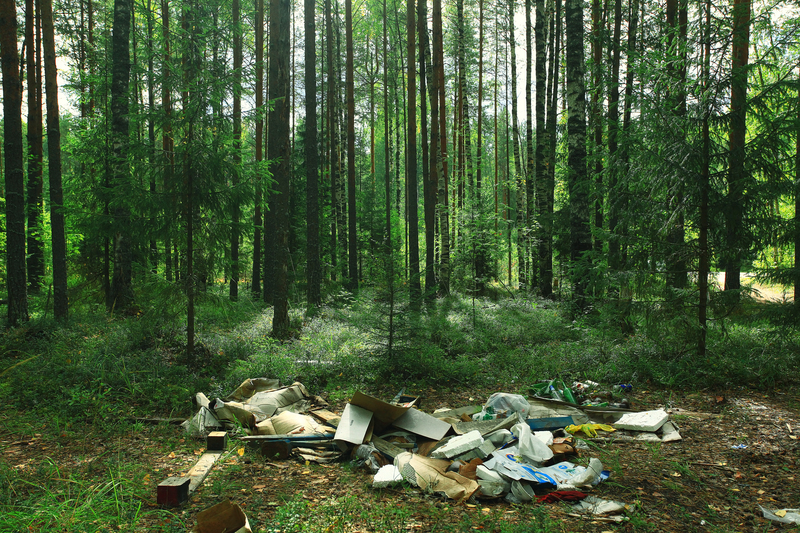
Despite the inspiring progress, barriers remain to scaling up these efforts. Key challenges include:
- Lack of infrastructure: Many places lack robust recycling or upcycling facilities
- Consumer attitudes: The "throwaway culture" is still dominant in many societies
- Policy and regulation: Clearer guidelines and support are often needed for upcycling businesses
- Design limitations: Most products are not yet made for easy disassembly or repurposing
The good news? Change is possible--and happening faster than ever. With greater awareness, supportive policies, and creative engagement, we can mainstream the movement to reimagine rubbish.
Conclusion: The Gold in Your Garbage
From chic decor and high fashion to essential building materials and jaw-dropping art, rubbish is being reconsidered worldwide. By rethinking rubbish and turning garbage into gold, we unlock enormous potential for a more sustainable, creative, and equitable future. The next time you reach for the trash bin, ask yourself: Could this be transformed? You might just be holding your next treasure.
Are you ready to join the movement and rethink rubbish? Start today--because when we all see the gold in garbage, we build a cleaner, brighter future for everyone.